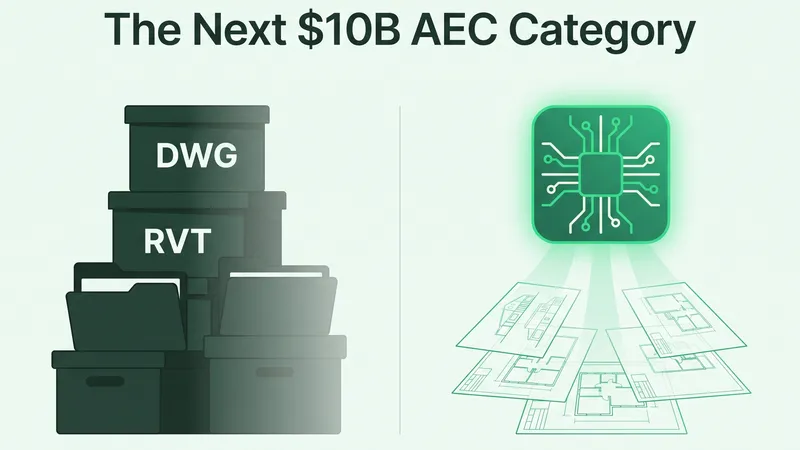
Most construction AI is a drawer full of single-purpose models. We made a different bet: one model that understands drawings, with a specialized output for each trade. Here is why the shared part is the whole argument.
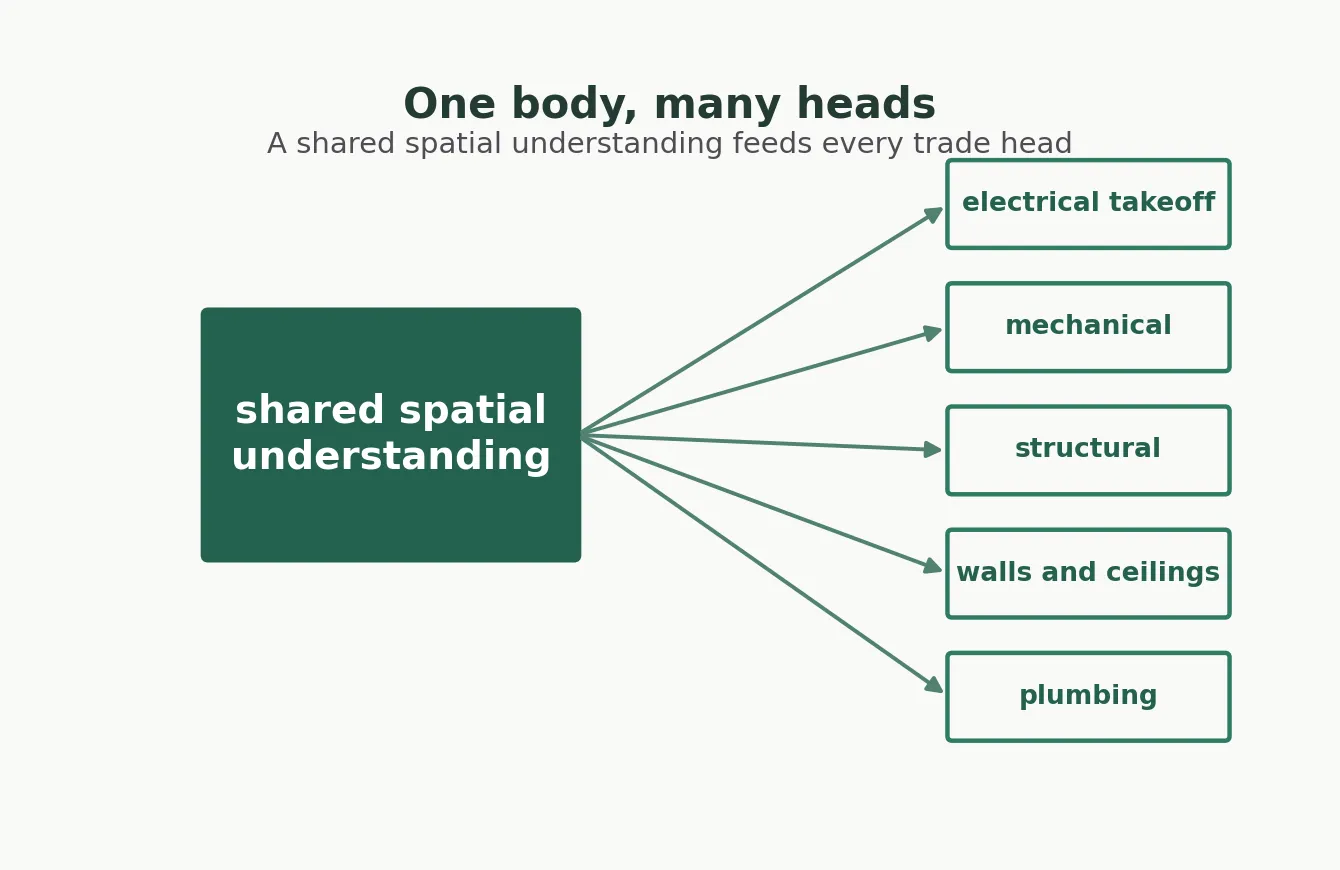
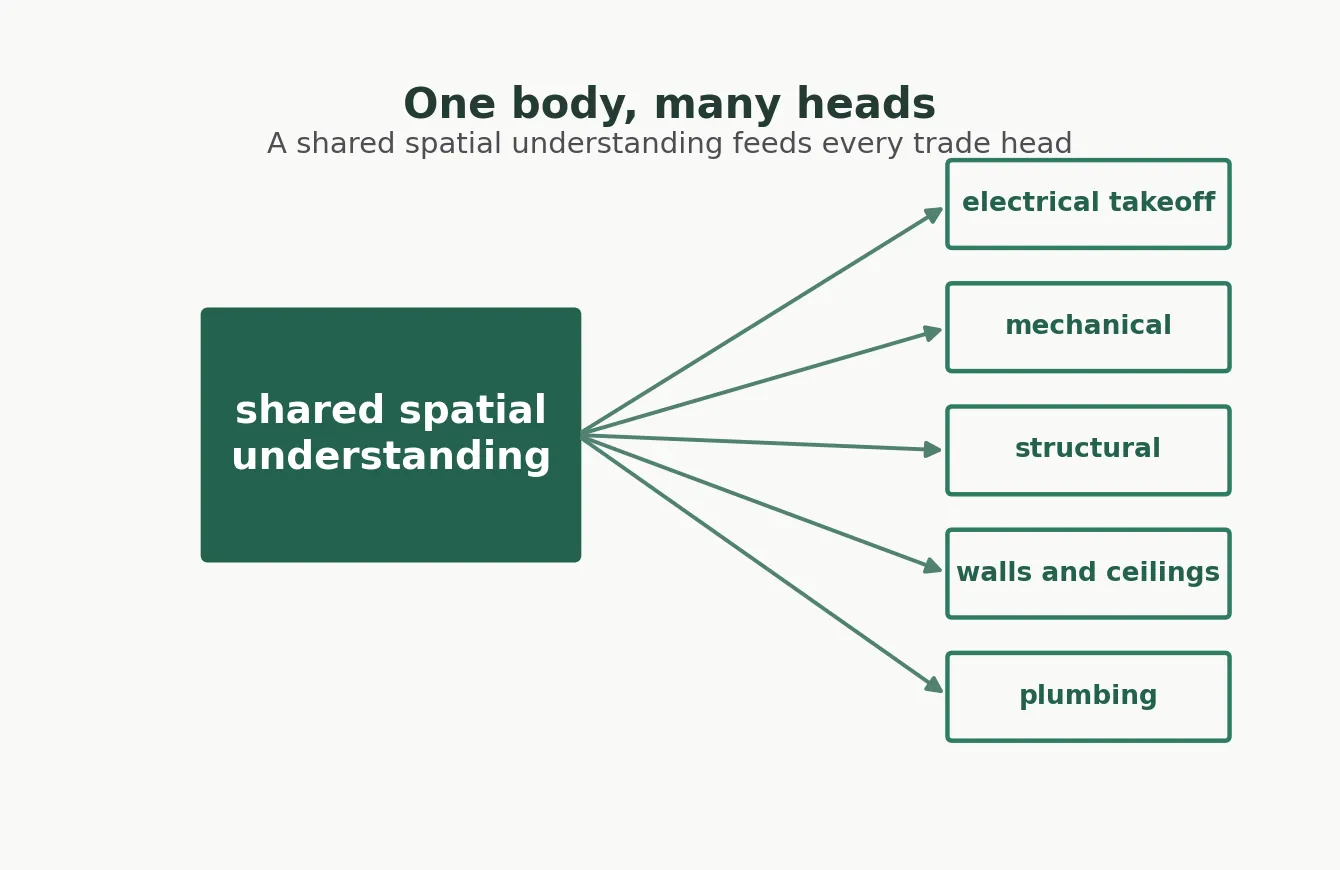 One body, many heads. The body is shared across every trade. The heads are the only part that is trade-specific.
Start with a number that sounds like a roadmap and is actually a warning: thirty-seven. That was roughly the count of separate models we, and most of the field, had built to read construction drawings. One model for ducts. Another for fittings. Another for electrical panels. Another for receptacles, for fire-alarm devices, for structural members, for pipe, for joists. Each one trained on its own slice of data, shipped on its own schedule, improved on its own. For a while that felt like progress. Every new trade was a new model, and a new model was a new line on the roadmap.
Then you notice what the count is really telling you. Thirty-seven models is thirty-seven things that cannot learn from each other.
The drawer of single-purpose models
The default architecture in this category is a collection of narrow models with pipeline code holding them together. You pick a trade, gather labeled drawings, train a detector, ship it, move to the next trade. The work is tractable and the milestones are clean, which is exactly why so many teams arrive here. Our first stack looked like this too.
It runs out of room for a reason that has nothing to do with effort. A model trained only on mechanical drawings never sees an electrical panel. A model trained only on electrical never sees a duct. But the grammar of a construction drawing, the line weights, the symbol conventions, the way a legend on one sheet governs a count on another, the relationship between a schedule and the plan it describes, is shared across trades. A narrow model has to rediscover that grammar from scratch, per trade, with a fraction of the data it would have if it could draw on the whole domain. It is like making a student retake the same geometry course thirty-seven times, once for each kind of word problem, and never letting them notice it is the same geometry underneath.
So each model climbs for a while and then flattens. Not at the same height, and not for the same reason, but they all flatten. And the only plan the architecture offers for getting past the ceiling is more of itself: another trade, another model, another data-collection project, with no mechanism for any of that work to help anything else.
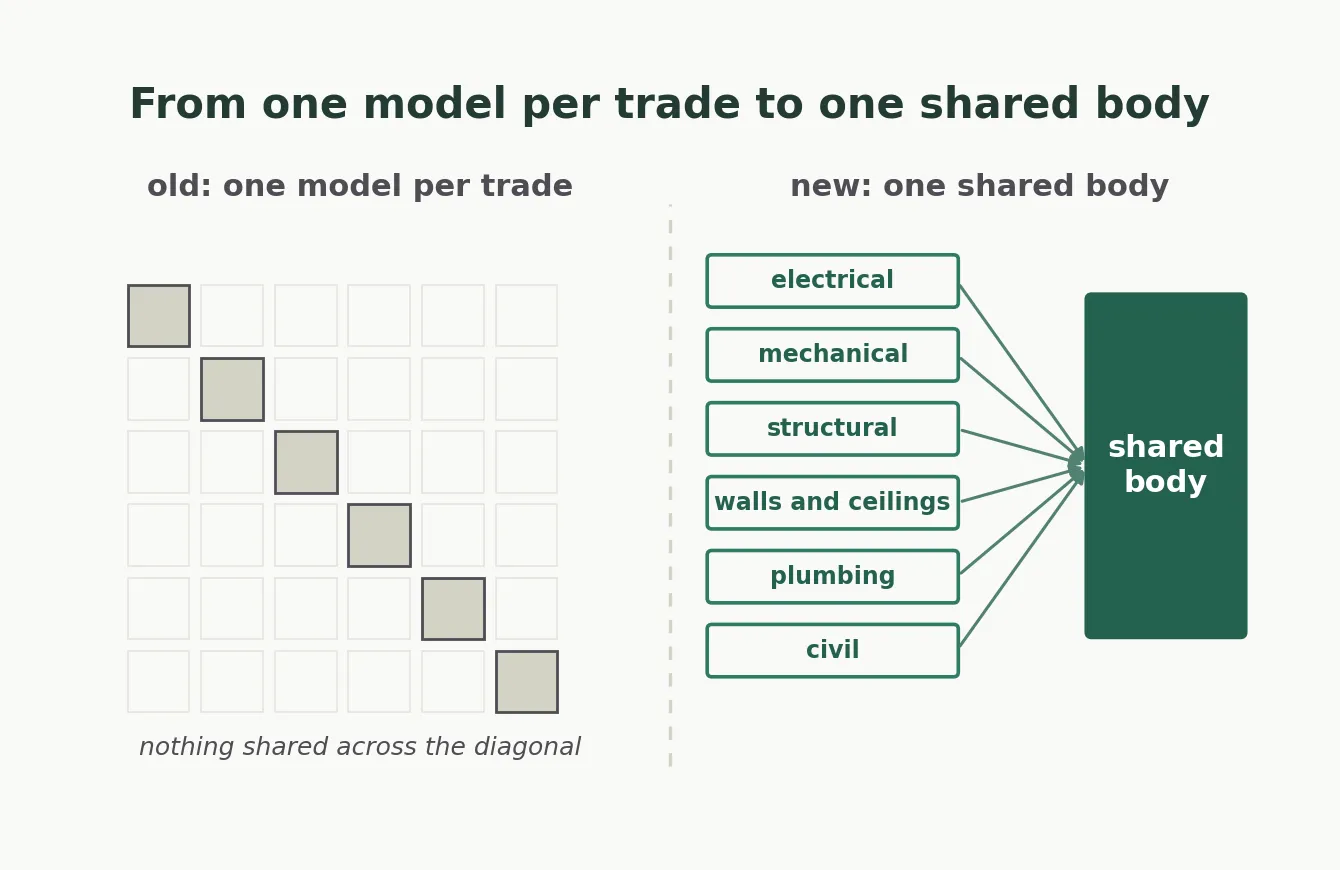 Left: every trade gets its own isolated model. Right: every trade is a head on one shared body. The difference is whether work on one trade can help the others.
The body
The alternative is easy to say and hard to build. Train one model to understand construction drawings, across every trade, and put a thin task-specific layer on top for each job you actually need done. The shared part is the body. The job-specific parts are the heads.
The body learns the things that are true of all construction drawings regardless of trade: the geometric primitives, the layout conventions, how symbols repeat and reference each other, how text anchors to geometry, how one sheet points to another. It learns this once, from the full corpus, instead of relearning a worse version of it inside every narrow model. The heads sit on top and specialize. A head turns the body’s understanding into the specific output a given trade needs, whether that is counting and classifying symbols, outlining regions like walls and ceilings or duct and pipe runs, or reasoning about how elements connect.
Hold the picture in your head as one brain that has seen every trade, with a different mouth for each task. The brain is shared. The mouths are specialized. That single architectural commitment is what the rest of this argument rests on.
I’m deliberately staying at the level of the idea rather than the parts list. The specific backbone, the way the heads are wired, the training recipe, none of that is the interesting part for this audience, and most of it is the kind of detail a competitor would rather we published. The architecture-level claim is the one that matters: shared body, specialized heads.
Why the shared part compounds
Here is the result that made the bet worth making, and it is the whole reason to prefer one body over thirty-seven models.
When you train a single body on data from many trades at once, accuracy goes up on every trade. Not only the trade whose data you just added. Every trade. What the body learns from mechanical drawings makes it better at electrical. What it learns from structural makes it better at architectural. The signal crosses trades because the underlying grammar is shared, and a model with one representation can move that signal around in a way thirty-seven separate models structurally cannot.
That has a consequence worth saying slowly. In the drawer-of-models world, data for one trade helps exactly one model. In the shared-body world, data for one trade helps all of them, a little. Every drawing we label, every correction a customer makes on the hard sheet, every new trade we bring in, lifts the common floor that all the heads stand on. The asset accrues value every time any part of the dataset grows, not only when one model’s narrow slice grows. That is what compounding means here, and the single-purpose architecture does not have it. It cannot have it. The isolation that made each model simple to build is the same isolation that caps it.
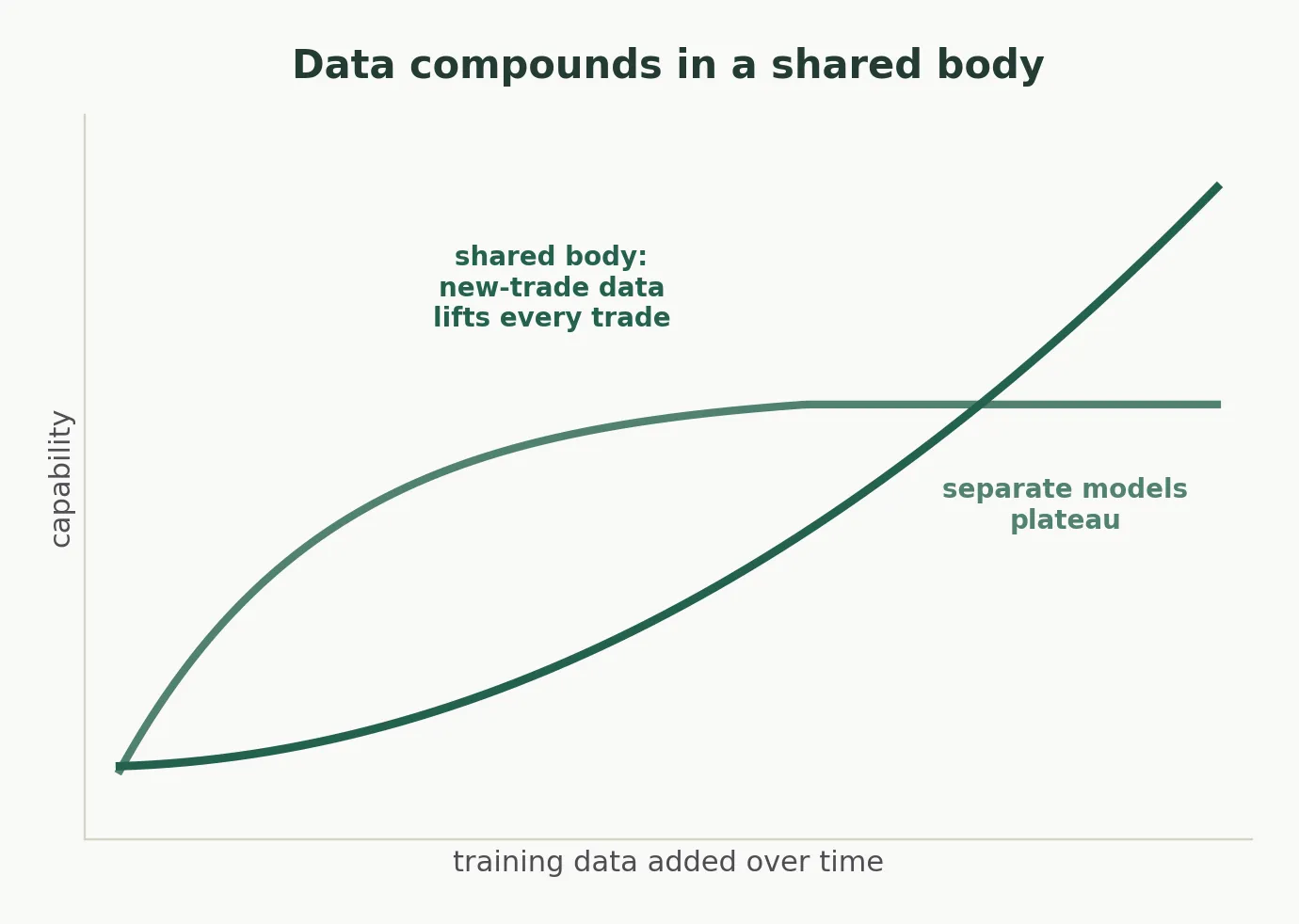 Separate models plateau; each is capped by the data for its own trade in isolation. A shared body bends upward, because data from any trade raises the floor for all of them.
A new trade is a new head, not a new model
The compounding shows up most clearly in what happens when you add a trade.
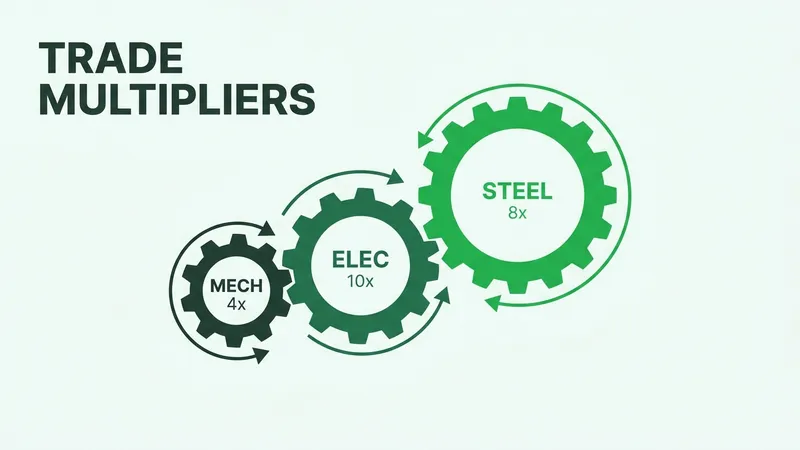
In the old architecture, a new trade meant a new model: a cold start, a fresh data-collection effort, weeks of training, and a new thing to maintain forever. The marginal cost of the thirty-eighth trade was about the same as the first. The roadmap was linear because the architecture was.
With a shared body, a new trade is a new head. The body already understands construction drawings, so the new head inherits everything the model has learned from every other trade and only has to specialize on what is genuinely particular to this one. The work shrinks because most of the work was already done by every trade that came before. That is the difference between a roadmap where each step costs the same and one where each step costs less than the last.
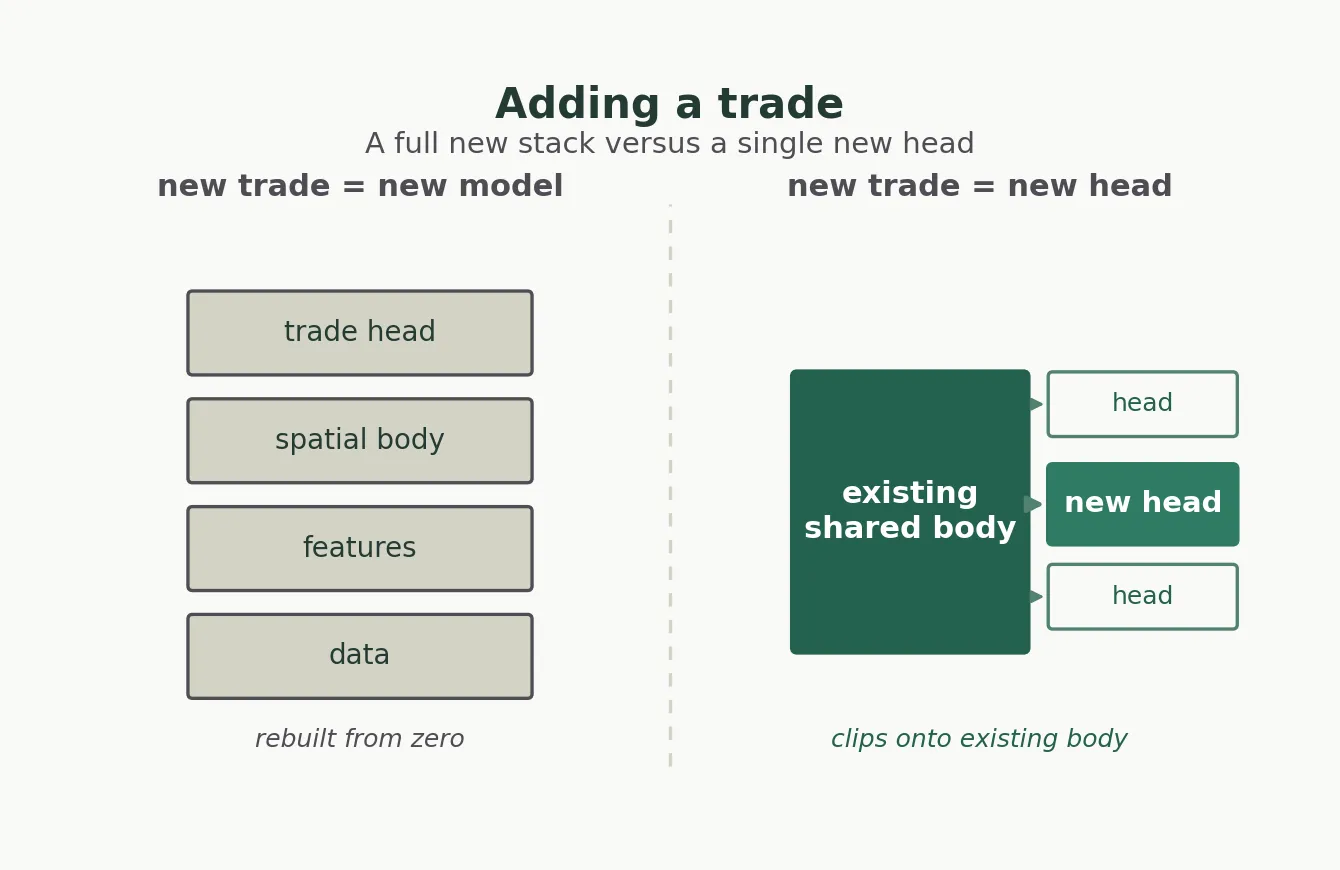 Old way: a new trade is a whole new model from a cold start. New way: a new trade is a small head on a body that already understands drawings.
Why this is the architecture bet, not a feature
For an investor, the takeaway is not that one model is tidier than many. It is that the two architectures are on different curves, and the gap between them widens with time rather than closing.
A competitor holding a drawer of single-purpose models has three problems that no amount of incremental work solves. They get no cross-trade transfer, so each model is capped by the data for its trade alone, and in a domain with an enormous long tail of regional symbol variants and drawing conventions, that ceiling is real. They cannot amortize a step forward in the underlying vision technology across their whole stack at once; every advance means redoing the work N times. And they have no shared representation to anchor reasoning about how elements connect across a drawing set, because connectivity lives in the relationships between objects, not in any single object a narrow detector was trained to find.
None of those are bugs to be fixed in the next release. They are properties of the shape of the system. The drawer architecture was the easy thing to build, and the same isolation that made it easy is what caps it. The shared body is the hard thing to build, and the same sharing that made it hard is what lets it compound.
We have not gotten every part of this right, and I won’t pretend otherwise. We spent real time in the drawer before we committed to the body, and some of that was time we could have saved if we had seen the ceiling earlier. What I’m confident about is the direction. The asset that gets better every time anyone, in any trade, labels another drawing or corrects another count is a different kind of asset than thirty-seven models that each improve only when their own narrow slice of the world does. One of those compounds. The other adds up. Over enough drawings, that is the entire game.
This is part of Boon’s engineering and architecture series for the people building and backing this category.